Product engineering
Purpose-built software shaped around operational needs, users, and the systems already in place.
MiSa Family Office GmbH designs and develops software systems for organisations navigating complex digital work.
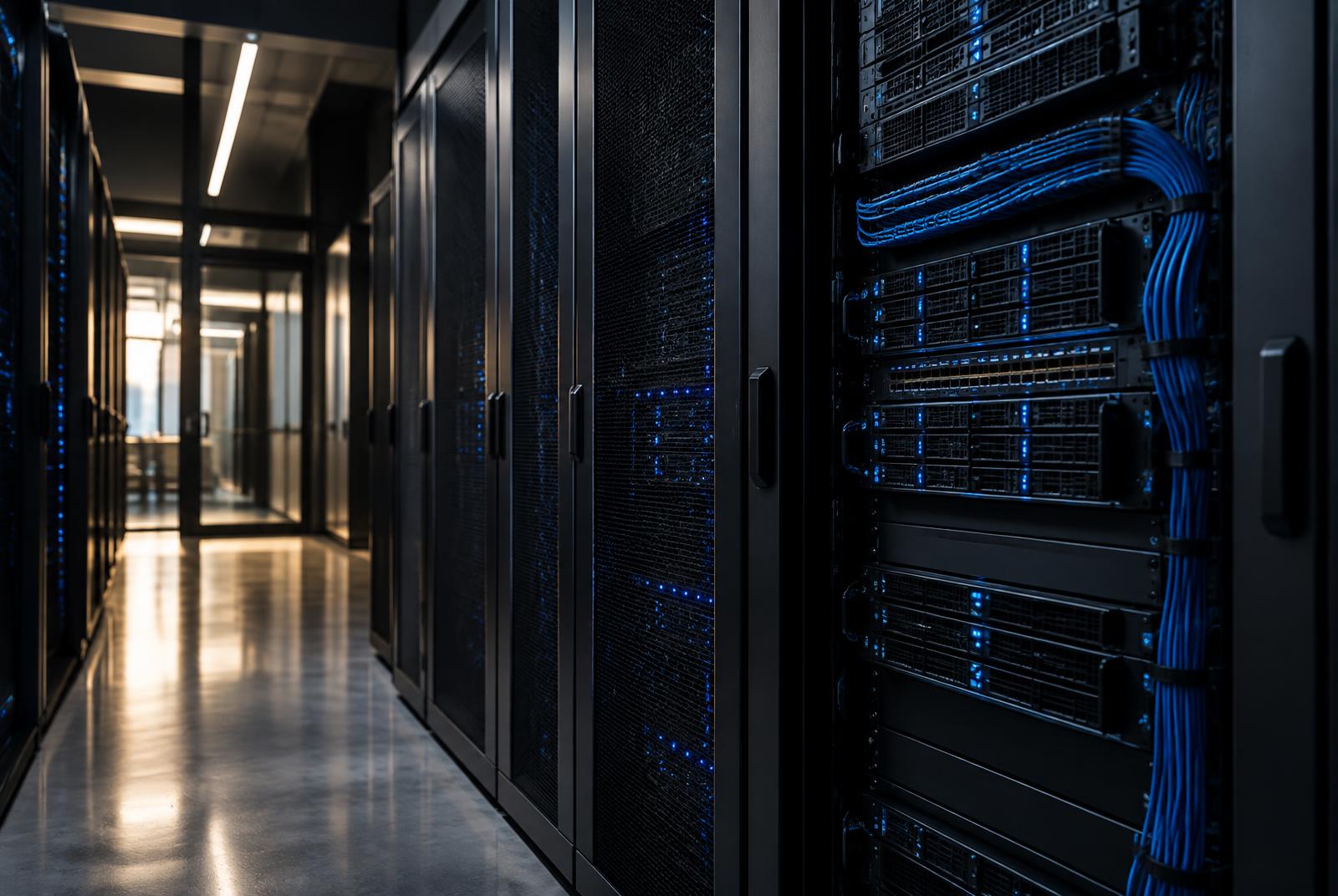
Company introduction
Despite the company name, our focus is technology: software development, infrastructure, integration, and technical consulting.
We bring product thinking and engineering discipline together, translating real operational constraints into systems that are understandable, maintainable, and ready to evolve.
03 / Core capabilities
Purpose-built software shaped around operational needs, users, and the systems already in place.
Responsive web applications and service platforms designed for clarity, resilience, and change.
Infrastructure and deployment patterns planned for observability, security, and practical scale.
APIs and workflow automation that reduce friction between tools, data, and teams.
04 / Custom software
Custom software begins with the operating reality: the decisions people make, the information they need, and the exceptions that standard products overlook.
We shape requirements, system boundaries, data models, interfaces, and delivery increments into a product that can be tested and improved as understanding grows.

Web applications & digital platforms
Customer portals
Operational dashboards
Internal tools
Content-rich platforms
From responsive front ends to the services behind them, we consider the complete system: accessibility, performance, information architecture, data flow, and long-term ownership.
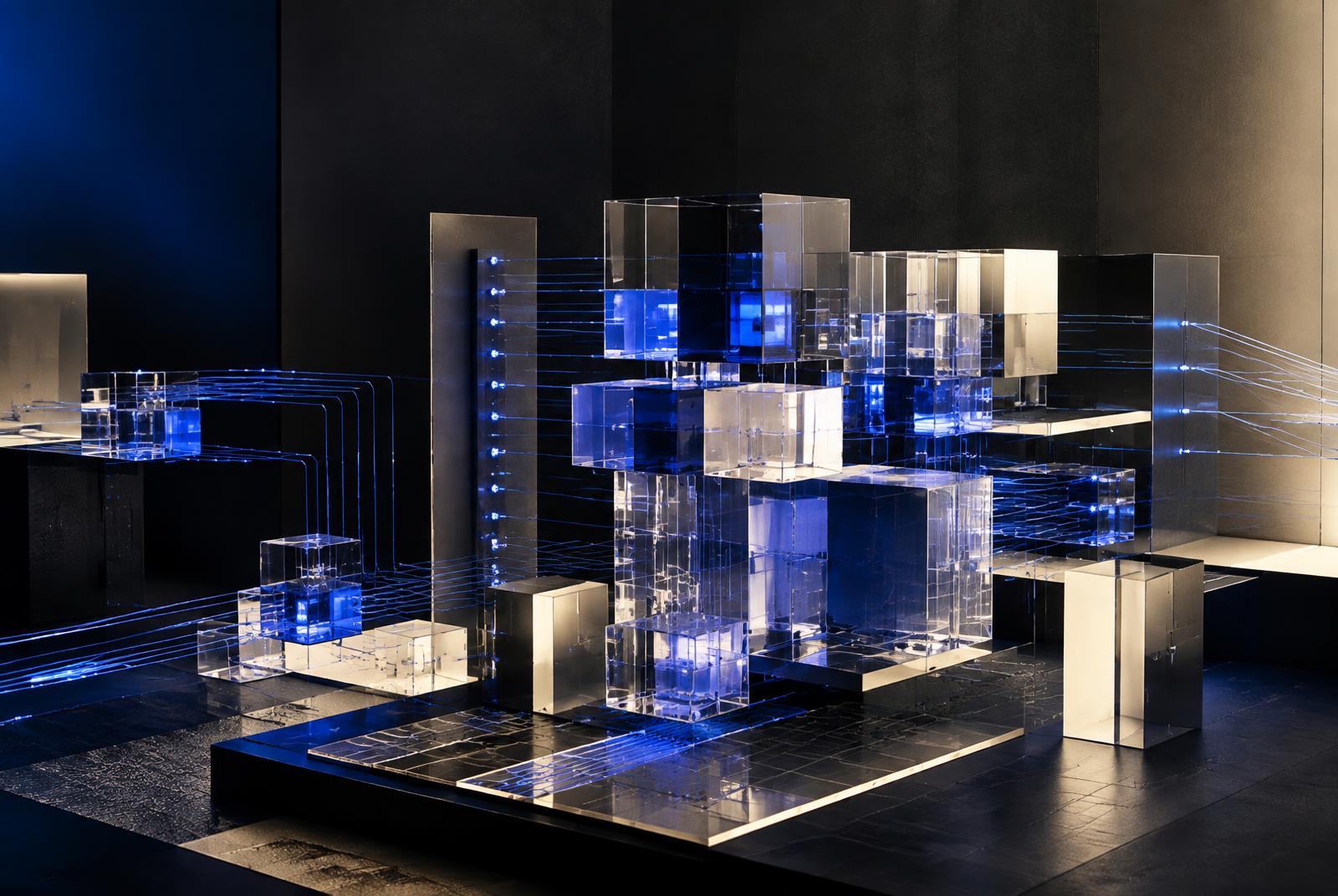
Systems integration
APIs, event flows, and carefully scoped automation can turn disconnected software into a dependable operating environment. We examine failure states and human review points as closely as the happy path.
08 / Engineering quality
Threats, permissions, data sensitivity, and dependencies inform design and implementation choices.
Automated checks support confident change while focused review keeps critical behavior visible.
Logs, metrics, and meaningful alerts help teams understand systems beyond the development environment.
Clear boundaries, documentation, and proportionate patterns keep future work practical.
09 / Delivery process
Clarify context, constraints, users, and desired outcomes.
Define flows, architecture, interfaces, and delivery slices.
Develop in reviewable increments with continuous quality checks.
Validate behavior, document decisions, and plan the next change.
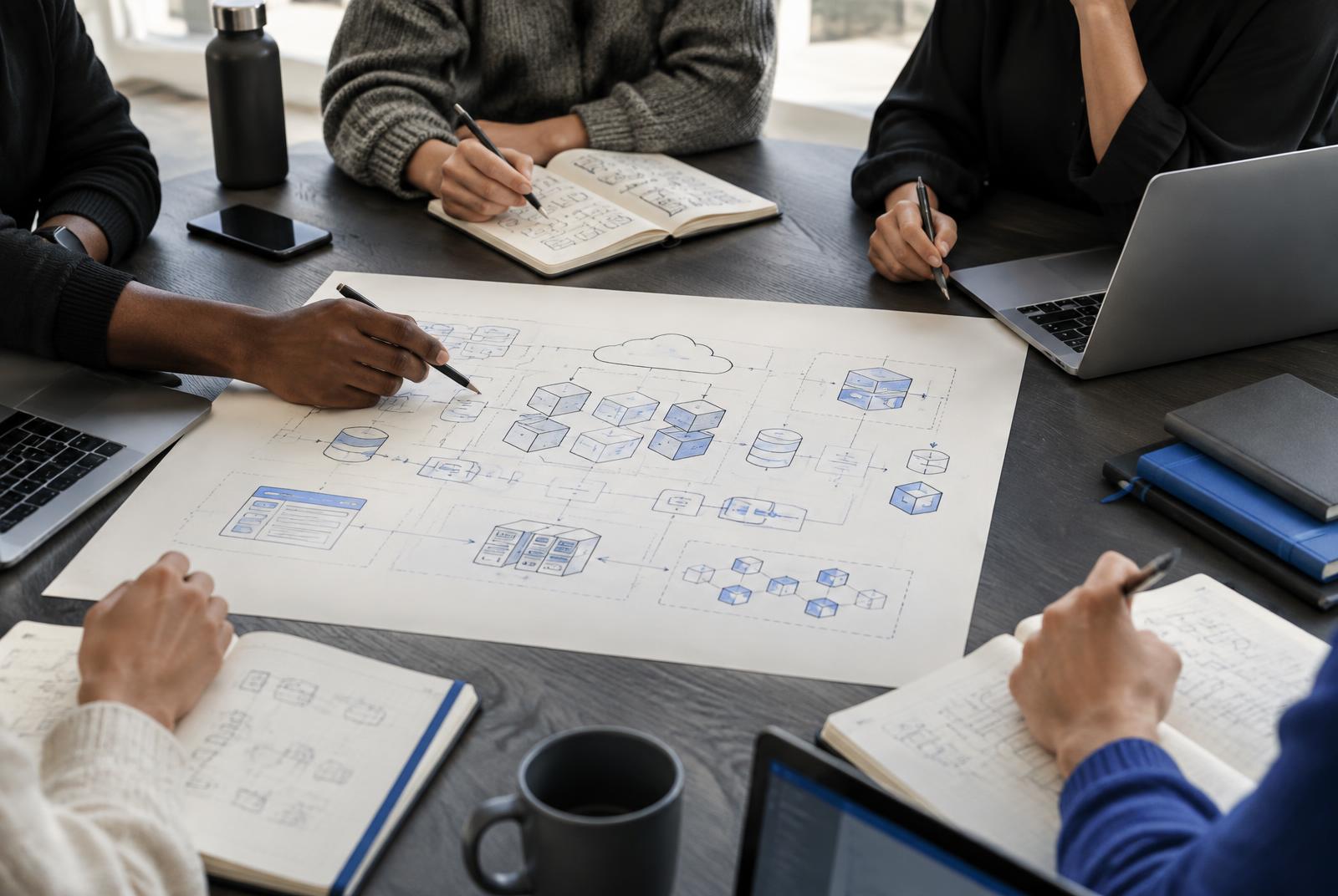
10 / Collaboration
Useful collaboration makes decisions visible. We work through focused conversations, written context, prototypes, technical review, and regular demonstrations of working software.
The working model adapts to the assignment: a new product, a defined technical initiative, or specialist support alongside an existing team.
11 / Illustrative scenarios
These are hypothetical examples, not completed client projects.
A focused internal platform could centralise records, permissions, review steps, and reporting while preserving essential human decisions.
An integration layer could synchronise critical data, expose clear status, and reduce repetitive transfer work between systems.
A staged approach could stabilise key flows, improve observability, and replace high-risk areas without an all-at-once rewrite.
12 / Technology insights
Architecture is not a collection of fashionable tools. It is a record of priorities, trade-offs, and anticipated change.
When a distinctive workflow, integration need, or product idea cannot be served well by configuring an existing platform.
Yes. A technical review can map dependencies, risks, constraints, and sensible modernization paths before implementation begins.
Choices are considered against the problem, operating environment, team capability, maintainability, and lifecycle expectations.
Yes. Technical discovery, architecture, review, and delivery planning can stand alone or prepare a later build phase.
Company & contact
IT services · Software development · Technology consulting